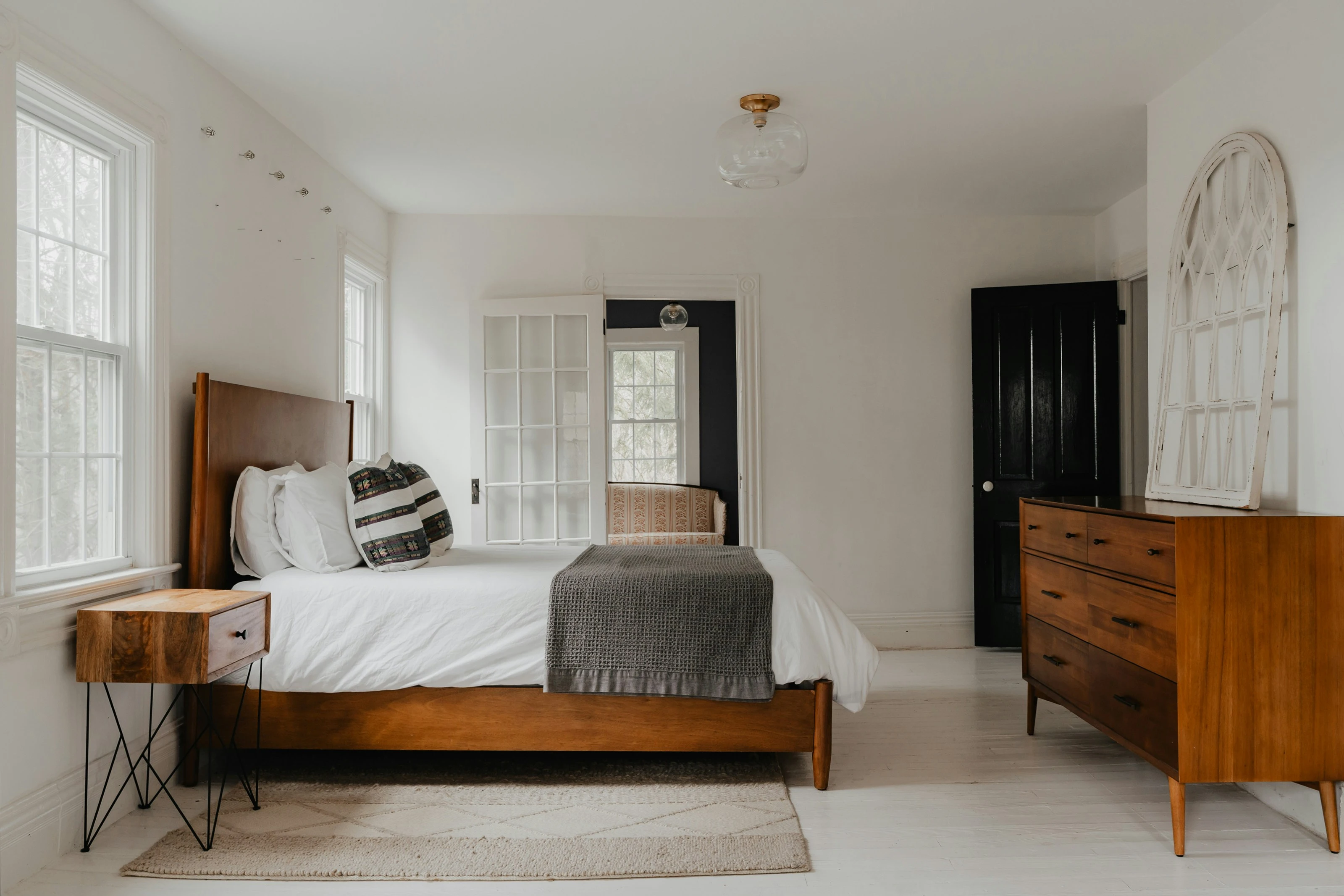
Cover photo by Clay Banks on Unsplash
Running a B&B or holiday home today means juggling platforms like Booking.com and Airbnb. While these portals guarantee immediate and steady visibility, they charge heavy commissions (15% to 20% on every booking) and restrict your ability to communicate directly with your guests.
In the long run, depending entirely on OTAs exposes your business to high commercial risks, especially in the low season. In this guide, we'll see how a strategic and optimized B&B website can become your main tool for filling rooms during the low season, cutting commissions, and boosting your profit margins.
1. The OTA trap: why disintermediation pays off
OTAs (Online Travel Agencies) were created to help hosts fill empty rooms. Today, however, they represent nearly 100% of bookings for many properties. This reliance creates two major problems:
- High costs: Paying an 18% commission on a week-long summer booking eats up a massive chunk of your net profit.
- No brand identity: On Booking and Airbnb, properties are shown in standardized listings, making them comparable only by price. Guests won't remember the name of your B&B—they'll just remember they \"booked on Airbnb\".
Having your own website allows you to disintermediate: direct users to your own pages and convince them to book directly with you, saving on commissions and offering them slightly lower rates or unique perks. This is one of the core conversion principles we cover in our guide on creating a services page that converts.
2. The Direct Booking Engine
To get a guest to book directly on your website, you must offer a user experience (UX) that is at least as simple and smooth as what they are used to on Booking or Airbnb.
If your website forces users to fill out a contact form to request availability and wait hours for an email response, they will leave and book elsewhere. Your site must include an integrated Booking Engine:
- Real-time availability: Users select dates, instantly see available rooms, and get an updated total price.
- Secure payment: Integration with Stripe, PayPal, or credit cards to collect deposits or balances securely.
- Mobile responsive: Since about 70% of travel searches are done on smartphones, your booking flow must be extremely easy to use on mobile devices. This is crucial to avoid the classic website mistakes that drive users away.
3. Local SEO: ranking for \"B&B + City\"
To get organic visits to your site without constantly spending on paid ads, you need to rank on Google for geo-targeted searches. When a traveler plans a vacation and searches for “bed and breakfast [your city]” or “holiday home near downtown [your city]”, you need to show up in the top results.
To achieve this, your strategy should focus on three pillars:
- On-Page SEO Optimization: Use local keywords in your Title tag, H1, and room descriptions (e.g. describing proximity to train stations or major city attractions).
- Google Business Profile (Google Maps): Optimize your local listing by adding your address, hours, contact info, and a direct link to your website for direct bookings.
- Structured Data (Schema markup): Add
LodgingBusinessorBedAndBreakfaststructured data to your page code, specifying geographical coordinates, reviews, and average pricing to help Google understand your business.
If you want to dive deeper into scaling local rankings on Google, check out our guide on local SEO and Google Maps.
4. Packages and experiences to beat the low season
The real nightmare for any accommodation owner is the low season. From October to March (in most Italian destinations), natural demand drops dramatically. OTAs won't help you with this—there you are just an empty room among thousands.
Your website, on the other hand, allows you to sell more than just a room—you can sell a complete experience. You can target specific niches traveling off-season (couples, hikers, digital nomads, foodies) by creating custom offers:
- Romantic Getaways: A 2-night stay with a complimentary organic welcome drink in the room and late check-out.
- Hiking and Outdoor Packages: Partnering with local guides to offer weekend hikes included in the price.
- Digital Nomad Workations: Discounted rates for 1-2 week stays during winter months, highlighting ultra-fast Wi-Fi and a desk setup in the room.
Presenting these packages on dedicated landing pages gives you a huge edge over OTAs and lets you run focused marketing campaigns highlighting the unique appeal of your area. This local positioning is crucial for small businesses, as explained in our post on how a website brings in local customers.
5. Avoiding overbooking with a Channel Manager
One of the biggest concerns for hosts who enable direct bookings is overbooking: the nightmare of selling the same room for the same dates at the same time on your website and on Booking.com or Airbnb.
To solve this technical issue, you must integrate your site with a Channel Manager. This cloud software acts as an availability traffic controller:
- Two-way sync: The exact moment a guest books on your site, the Channel Manager instantly closes that room on Booking and Airbnb.
- Centralized rates: It allows you to change rates or restrictions (like minimum stays) from a single dashboard, updating all channels in real time.
There are excellent, scalable solutions on the market suited for both single apartments and large properties that connect seamlessly with React or JavaScript sites without slowing them down.
FAQ - Frequently Asked Questions about B&B and Holiday Home Websites
- Why should I create a website if I already get plenty of bookings from Booking and Airbnb?
- For two key reasons: disintermediation and brand control. OTA commissions eat into your profit margins. Additionally, a website lets you build a customer database you own, allowing you to email past guests with return offers—which is prohibited by third-party platforms.
- What is the best strategy to drive direct bookings?
- Incentivize guests by offering exclusive benefits on your website (e.g. \"Best Price Guaranteed\", \"Free breakfast only for direct bookings\", or \"Extended free cancellation\"). Your booking process must be fast, easy, and support secure credit card payments.
- Will a B&B website make managing bookings harder if I run it alone?
- No. Integrating a Channel Manager completely automates the calendar sync, freeing you from manual updates and completely removing the risk of double bookings.
Conclusions: take control of your online presence
Building a professional website for your B&B or holiday home is not a vanity cost—it's a strategic investment. It frees you from depending solely on OTA commissions, lets you rank locally on Google Maps, and allows you to market special off-season packages.